
Product Page Optimization: Small Tweaks That Boost Sales
Your product page is the most important decision point in the online buying journey. No matter how strong your marketing efforts are, a poorly optimized product page can stop conversions in their tracks.
The good news is that you don’t need a full webpage redesign to improve performance. Small, intentional tweaks can significantly increase engagement, trust, and sales.
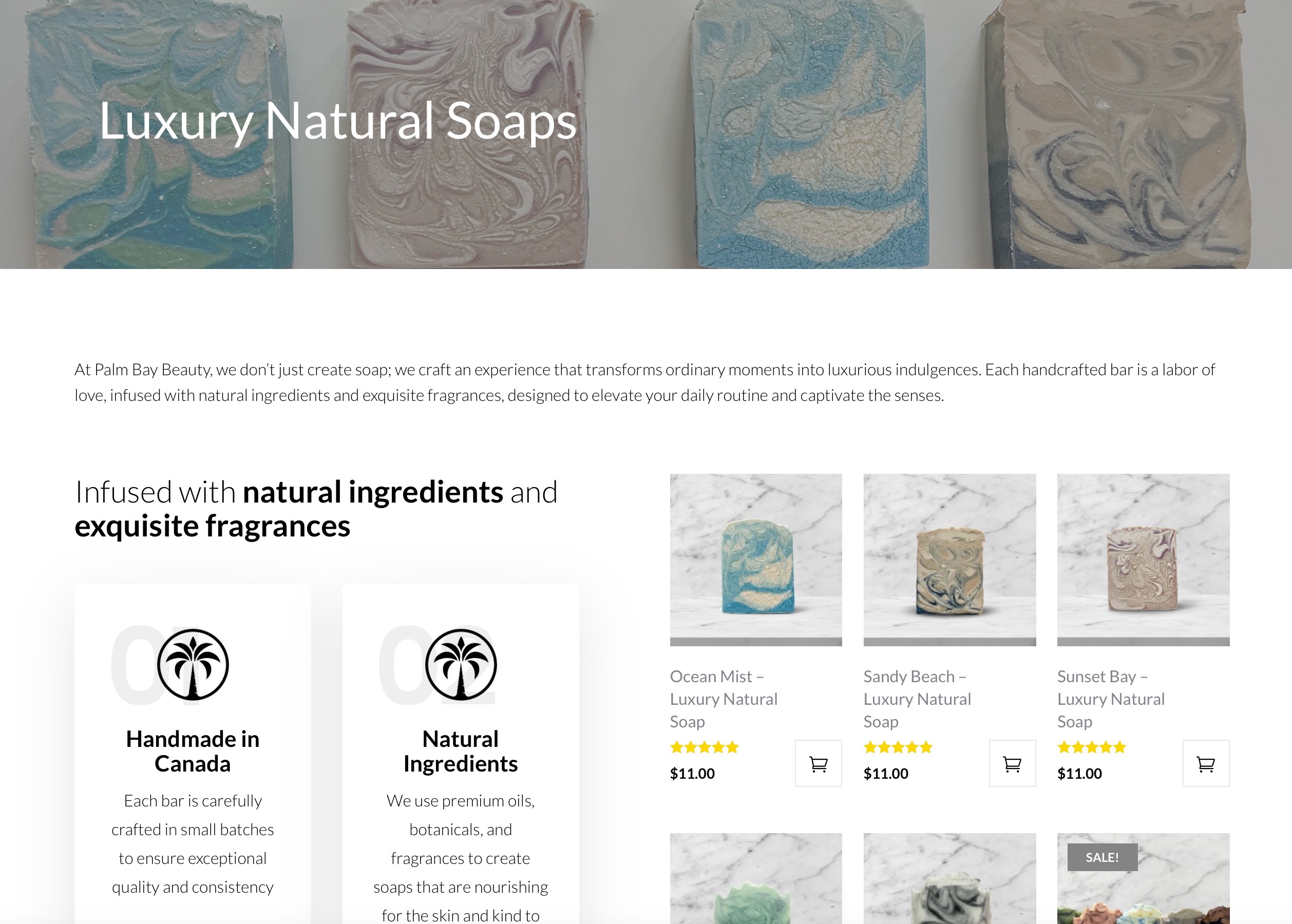
Here are the key areas where simple optimizations can make a measurable impact.
1. Write Clear, Benefit-Focused Product Titles
Product titles should immediately explain what the product is and why it matters. Instead of short or generic names, include descriptive keywords that highlight benefits, ingredients, or use cases. This not only helps shoppers understand the product faster but also improves visibility in search results.
A well-written title sets expectations and attracts the right audience—those who are already looking for what you offer.
2. Upgrade Product Images and Visuals
Images are one of the strongest conversion drivers on a product page. Use high-quality photos that clearly showcase the product from multiple angles. Lifestyle images that show the product in use help customers visualize ownership and build emotional connection.
Consistency matters too. A cohesive visual style across product pages reinforces brand credibility, which is one reason visually refined online stores like Palm Bay Beauty perform so well in competitive markets.
3. Improve Product Descriptions for Scannability
Shoppers don’t read long blocks of text—they scan. Effective product descriptions focus on benefits first, then support them with features. Instead of listing technical details right away, explain how the product solves a problem or enhances the customer’s routine.
Use bullet points, short paragraphs, and clear headings to make information easy to digest. The simpler it is to understand what you’re selling, the quicker customers feel confident buying it.
4. Strengthen Your Call-to-Action
Your call-to-action (CTA) should be easy to find and visually distinct. “Add to Cart” buttons should stand out with contrasting colors and strategic placement, ideally above the fold.
Even minor changes—such as increasing button size, adjusting spacing, or adding urgency-based microcopy like “Limited Availability”—can lead to noticeable improvements in click-through rates.
5. Add Trust-Building Elements
Online shoppers need reassurance before committing to a purchase. Trust signals reduce hesitation and help overcome objections. These can include customer reviews, star ratings, secure payment icons, clear return policies, and shipping information.
Social proof is especially powerful. When visitors see that others have had positive experiences, they are far more likely to follow through with a purchase.
6. Optimize for Mobile Users
With mobile traffic accounting for a large portion of online shopping, mobile optimization is no longer optional. Product pages should load quickly, images should scale properly, and buttons should be easy to tap without zooming.
A clean, mobile-friendly layout ensures that customers have a smooth experience regardless of the device they’re using.
7. Improve Page Speed and Reduce Distractions
Slow-loading pages kill conversions. Compress images, eliminate unnecessary scripts, and keep page layouts simple. A fast, distraction-free product page keeps users focused on the purchase and improves overall site performance.
Final Thoughts
Product page optimization is about refinement, not reinvention. By making small but strategic improvements to titles, visuals, descriptions, CTAs, and trust elements, you create a better shopping experience that naturally leads to higher sales.
When every product page is optimized to guide visitors smoothly toward checkout, even minor tweaks can deliver major results for your online store.